Do You (Really) Need a Hair Transplant?

Get Clear Medical Answers Before You Commit to Any Treatment.

At Sage Medical Clinic, every hair transplant in Singapore begins with a clinical assessment. We identify the cause of your hair loss first, then determine whether Follicular Unit Extraction (FUE) is appropriate.


Hair Loss Diagnosis & Treatment Planning

FUE & Non-Surgical Hair Restoration Options

Male & Female Pattern Hair Loss Care

15 Years of Combined Hair Restoration Experience

Featured In

Hair-loss treatments: What do they do and are they really worth spending your money on?

It’s not unusual for one to blow thousands of dollars on treatments that target thinning hair and baldness, but will they deliver the results you expected? Hair medical professionals give CNA Lifestyle their honest opinions.

Featured In

Meet Your Hair Restoration Team

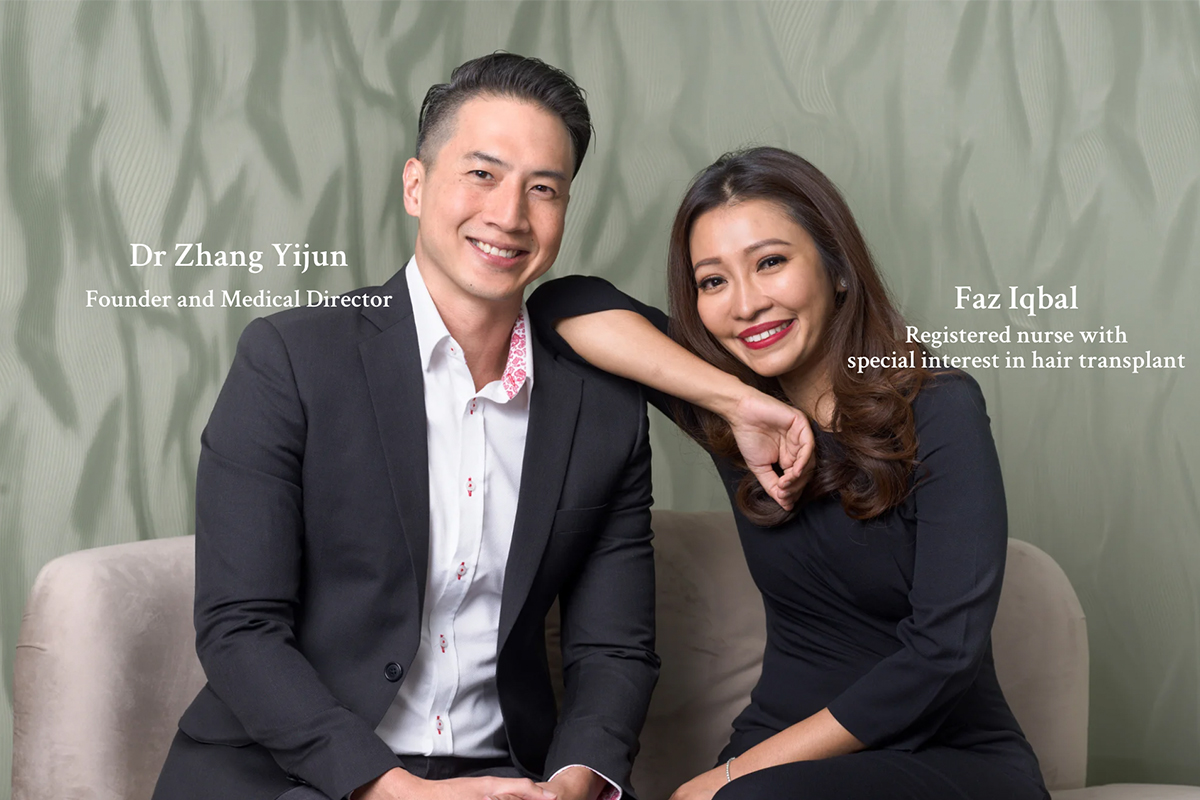
Dr Zhang Yijun


Founder | Medical Director

Dr Zhang has been performing hair restoration procedures since 2008. With more than 15 years of experience, he leads Sage Medical Clinic with a focus on medically grounded, patient-centred decision-making and long-term planning.

Ms. Fazilah Iqbal

Registered Nurse | Hair Restoration Lead

Ms Fazilah Iqbal brings close to 15 years of clinical experience in hair loss management and hair restoration. She has supported both manual and technology-assisted FUE procedures since 2010.

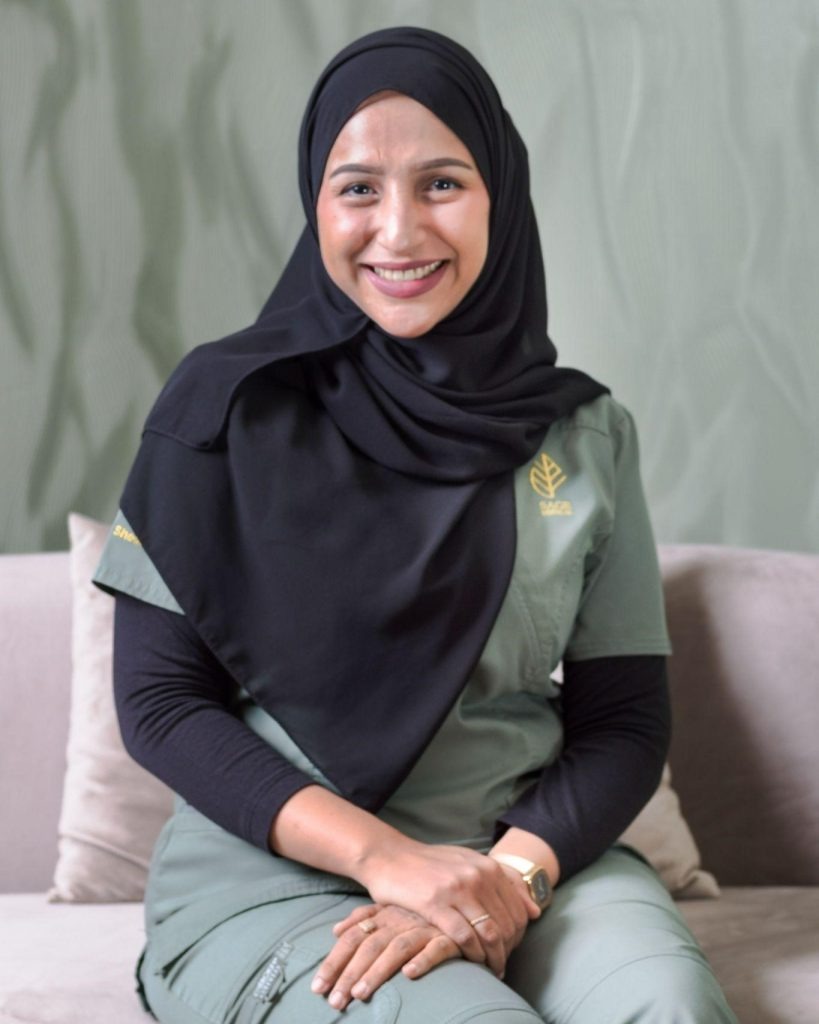
Sheila

Clinic Manager / Hair Transplant Technician

Bachelors in Agricultural Microbiology

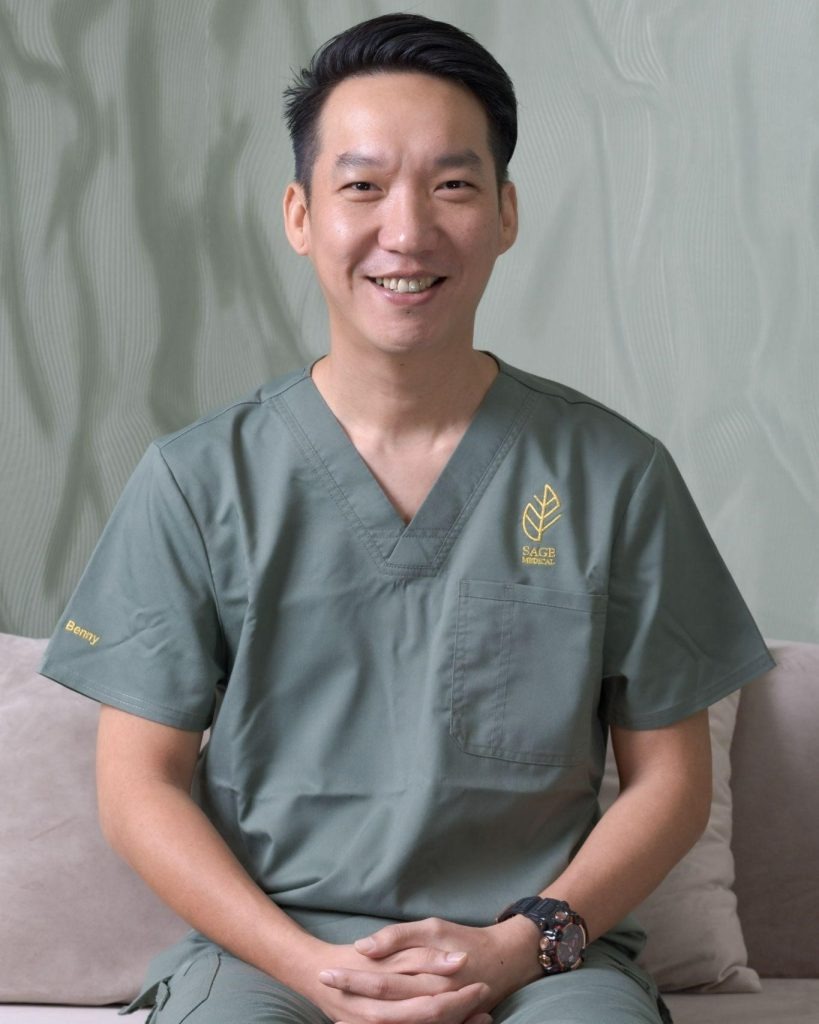
Benny

Senior Hair Transplant Technician

10 Years in Hair Transplantation

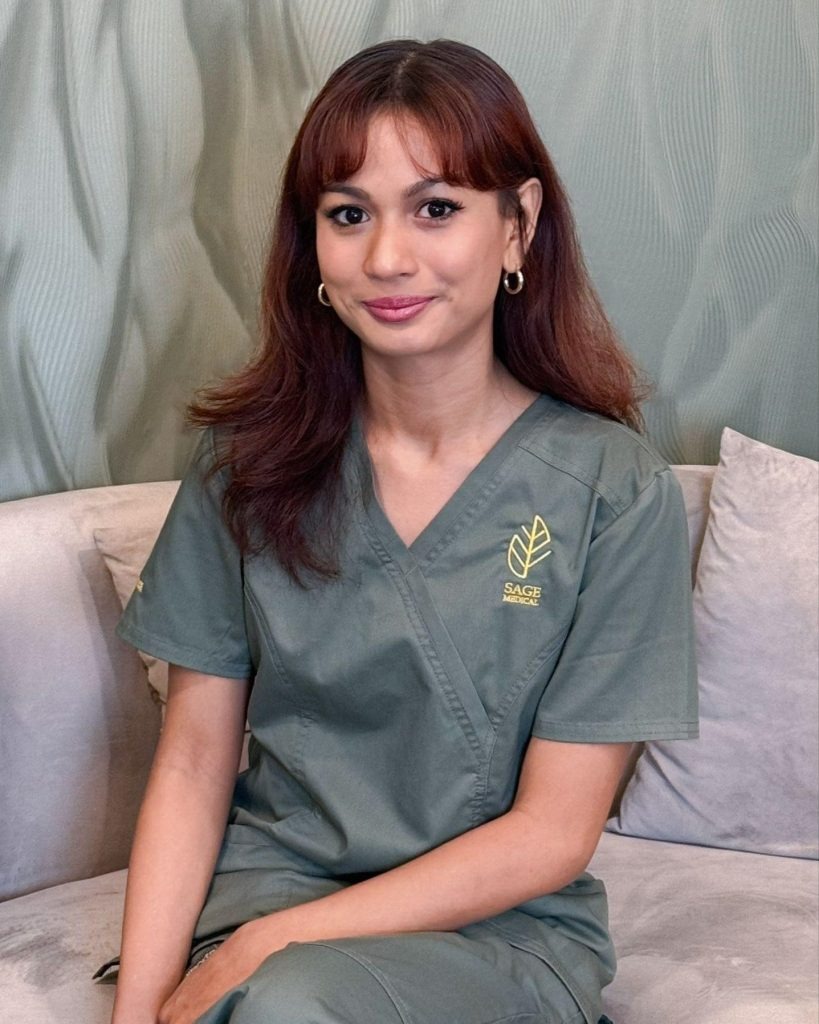
Emma

Hair Transplant Technician

Diploma in Life Sciences

Nurul

Hair Transplant Technician

Diploma in Microbiology

How FUE Works

Follicular Unit Extraction (FUE) is a surgical hair transplant technique where individual hair follicles are extracted from a donor area — typically the back or sides of the scalp — and transplanted into areas affected by hair loss.

Each follicular unit usually contains one to four hairs. These follicles are carefully removed and placed to follow natural hair growth patterns. When performed on appropriately selected patients, FUE can improve the appearance of hair density in targeted areas. However, FUE works by redistributing existing hair. It does not address the underlying cause of hair loss, and it is not suitable for every type or stage of hair loss.


What FUE Can Do

What FUE Cannot Do

Are You a Candidate for a Hair Transplant?

After a comprehensive medical assessment, we can determine whether a hair transplant is appropriate for you.

Types of Hair Loss Commonly Suitable for Hair Transplant

Androgenetic alopecia

when stable or progressing predictably.

Localised hair loss due to scarring or trauma

once medically stable.

What If Your Hair Loss Is Different?

Certain hair loss patterns respond better to non-surgical or medical treatments.

Common approaches include the combination of:

Oral or topical medications, such as finasteride or minoxidil.

Scalp-directed injectable treatments, such as Sage Follicle Boost.

Low-level laser light therapy (LLLT), which may help slow miniaturisation and improve hair thickness over time

For some patients, starting with these treatments first allows for strategic long-term planning and may improve the outcomes of a transplant if one is pursued later.

A medical assessment helps determine whether a transplant makes sense now, later, or not at all.

What to Expect During Your Hair Loss Assessment at Sage Medical

We review factors that may contribute to hair loss, including hormonal imbalance, nutritional deficiencies, autoimmune conditions, scalp disorders, and stress-related causes. Identifying these early helps avoid treatments that are ineffective or inappropriate.

We assess family patterns to anticipate progression and support long-term planning.

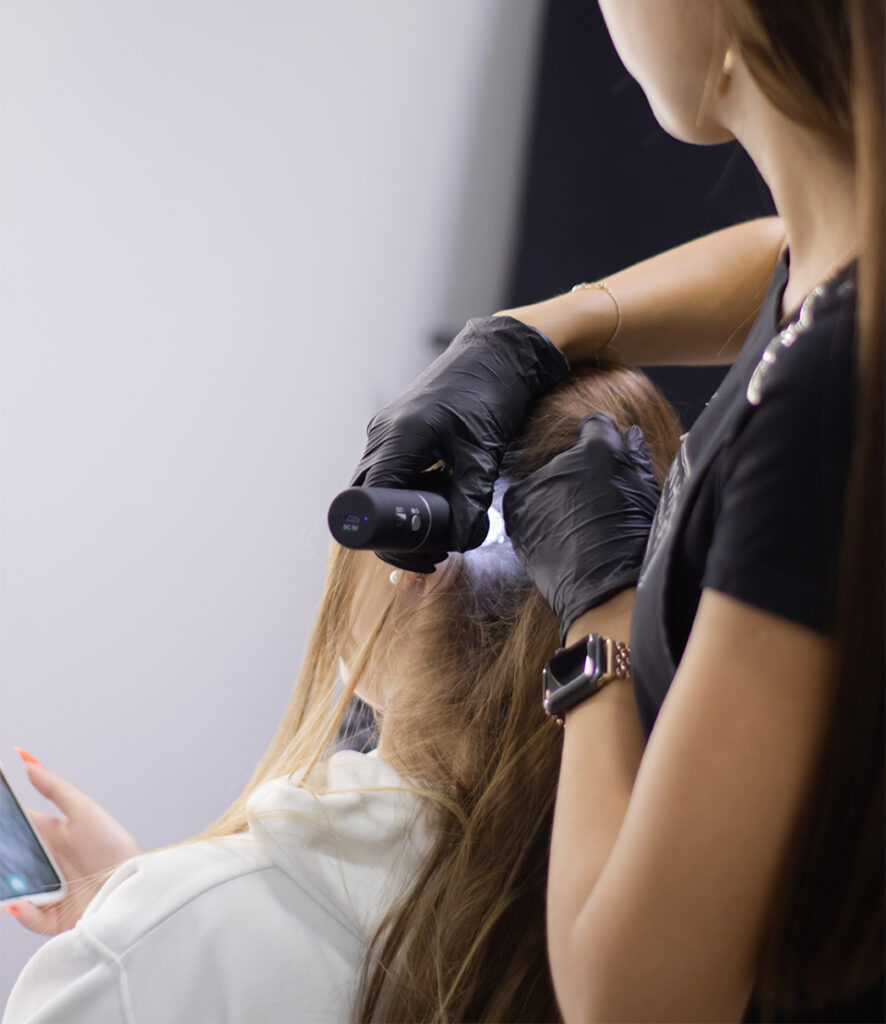
Using visual assessment and videotrichoscopy, we examine follicle health, density, and miniaturisation patterns.

If transplantation is considered, donor density, hair calibre, and stability are evaluated to determine whether FUE is suitable and sustainable.

We may recommend blood tests to clarify contributing factors such as iron stores, thyroid function, vitamin levels, or inflammatory markers.

We explain your diagnosis, expected progression, and suitable options. This may involve FUE, non-surgical treatments, monitoring, or no intervention at this stage.

Earlier assessment often preserves more treatment options.

WHY CHOOSE SAGE MEDICAL?

A Diagnostic-First Hair Transplant Clinic in Singapore

Some clinics position hair transplant procedures as the starting point. However, hair loss is a medical condition, and intervention should follow proper evaluation.

At Sage Medical Clinic, our focus is on helping you make the right decision early, so your options remain open and your treatment plan reflects your actual condition. With us, you can:

Avoid unnecessary or premature procedures.

Preserve donor hair for long-term planning.

Make informed decisions with realistic expectations.

Act early, while more treatment options remain available.

Our approach is supported by formal training in hair graft handling, trichology, and robotic-assisted hair restoration.

Certificate in Hair Graft Dissection & Placement

American Academy of Aesthetic Medicine

Certificate in Trichology

International Association of Trichologists

Certification in ARTAS Robotic Hair Restoration System

Restoration Robotics Inc.

Get Clarity Before You Commit

A hair loss assessment helps you understand what’s happening, what’s treatable, and whether a hair transplant is appropriate for your situation.

What Our Clients Say

FAQs on Hair Transplants

How long do hair transplants actually last?

A hair transplant can last for years if the transplanted follicles remain healthy and your underlying hair loss stays stable. Longevity depends on the type of hair loss you have, the long-term stability of your donor hair, and whether hair loss continues in untreated areas. If hair loss progresses elsewhere, you may notice thinning over time even if the transplanted hair remains.

A hair transplant is generally tolerable, as local anaesthesia is used during the procedure. Afterwards, you may experience tightness, soreness, or mild discomfort in the scalp. These are temporary and can be managed with routine aftercare.

No hair transplant is guaranteed to be 100% successful, and results depend on donor hair quality, scalp health, surgical technique, and whether the underlying hair loss is stable and suitable for transplantation.

The cost of an FUE varies. At Sage Medical Clinic, it ranges from $5 to $6 per graft, depending on how much hair loss you have, how many grafts you need, and how your treatment is planned. At Sage Medical, we’ll discuss pricing after your hair loss assessment.

Initial healing after an FUE typically occurs within days to weeks, while the scalp continues to recover over a longer period. Healing time varies depending on individual factors and the extent of the procedure.

Our Clinic

We’d love to hear from you!

Get in Touch